PORTFOLIOS
Raku
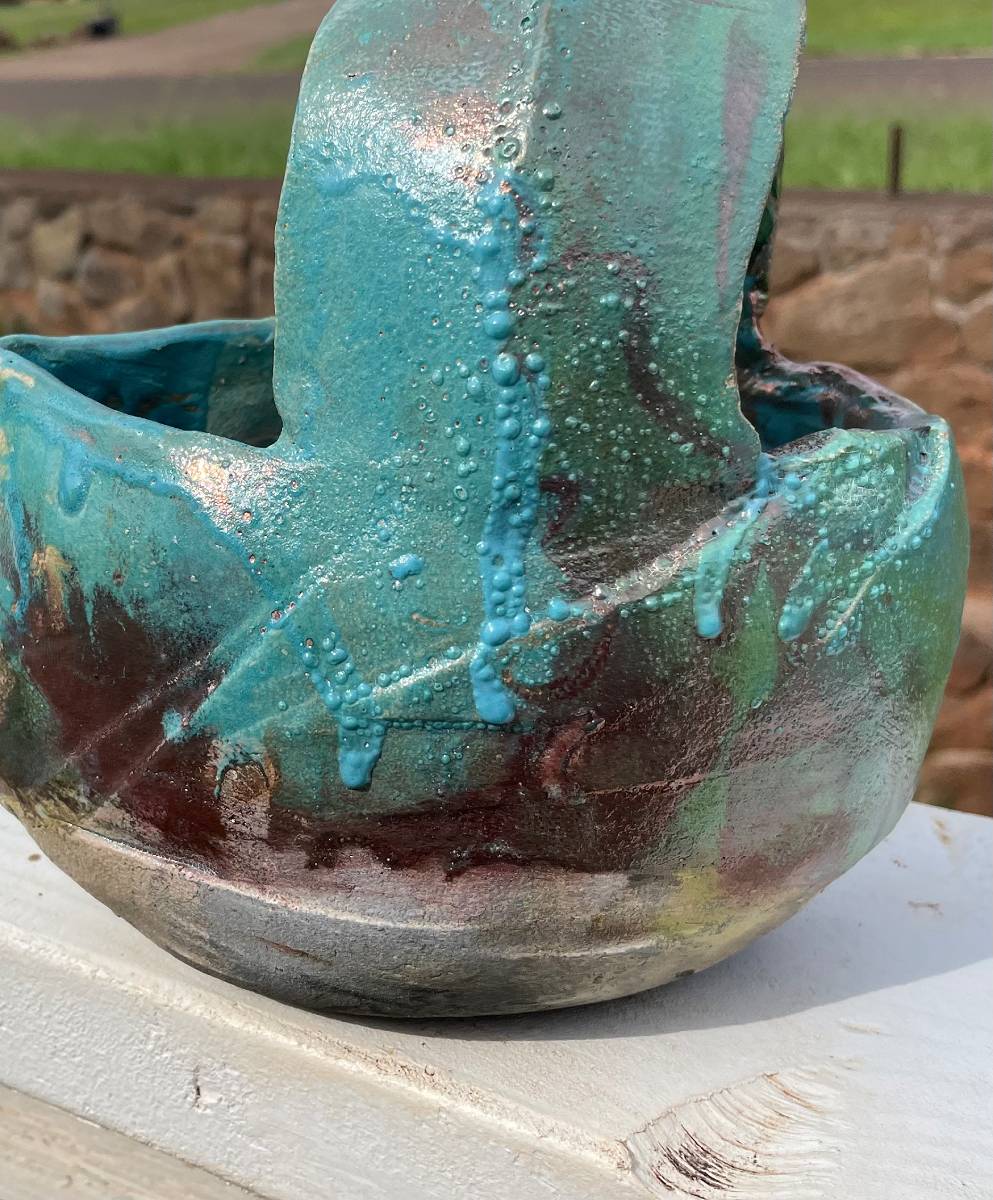
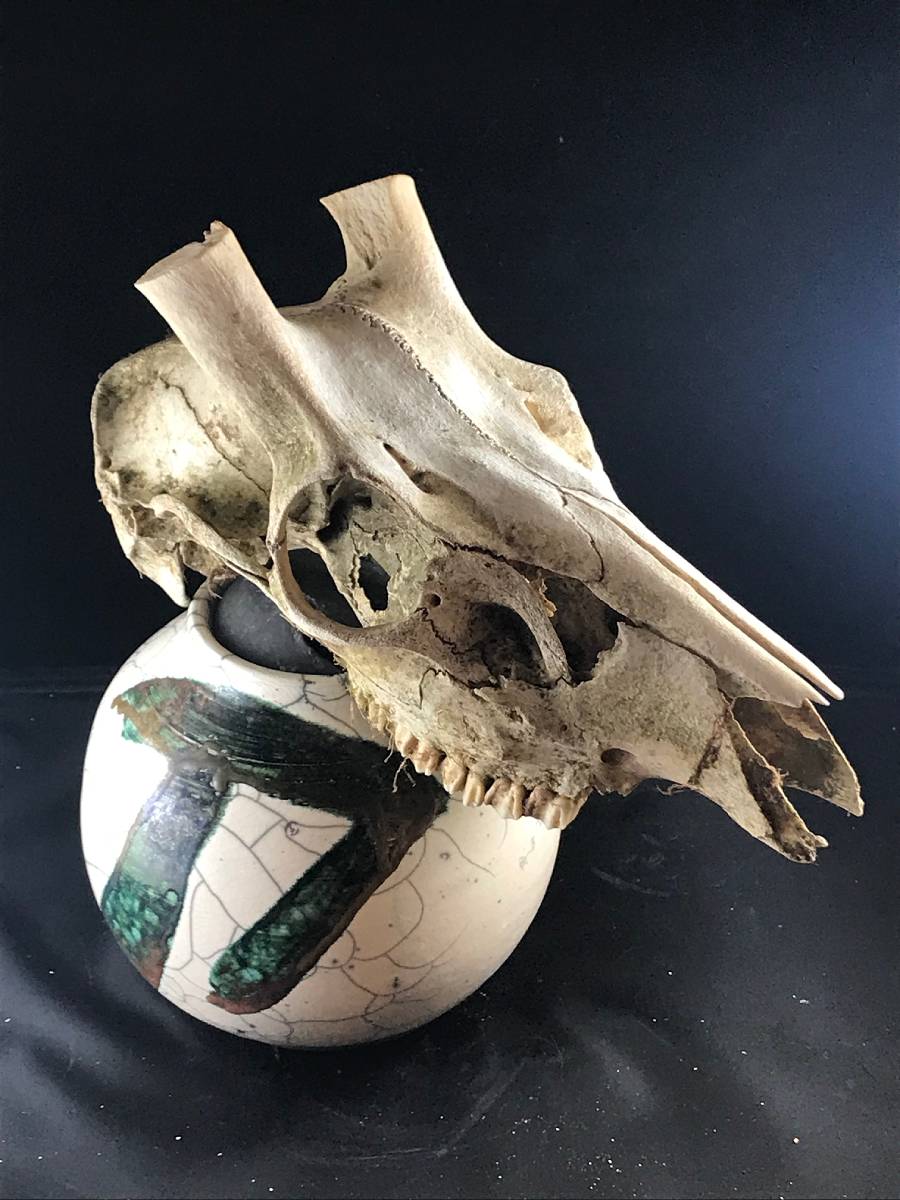
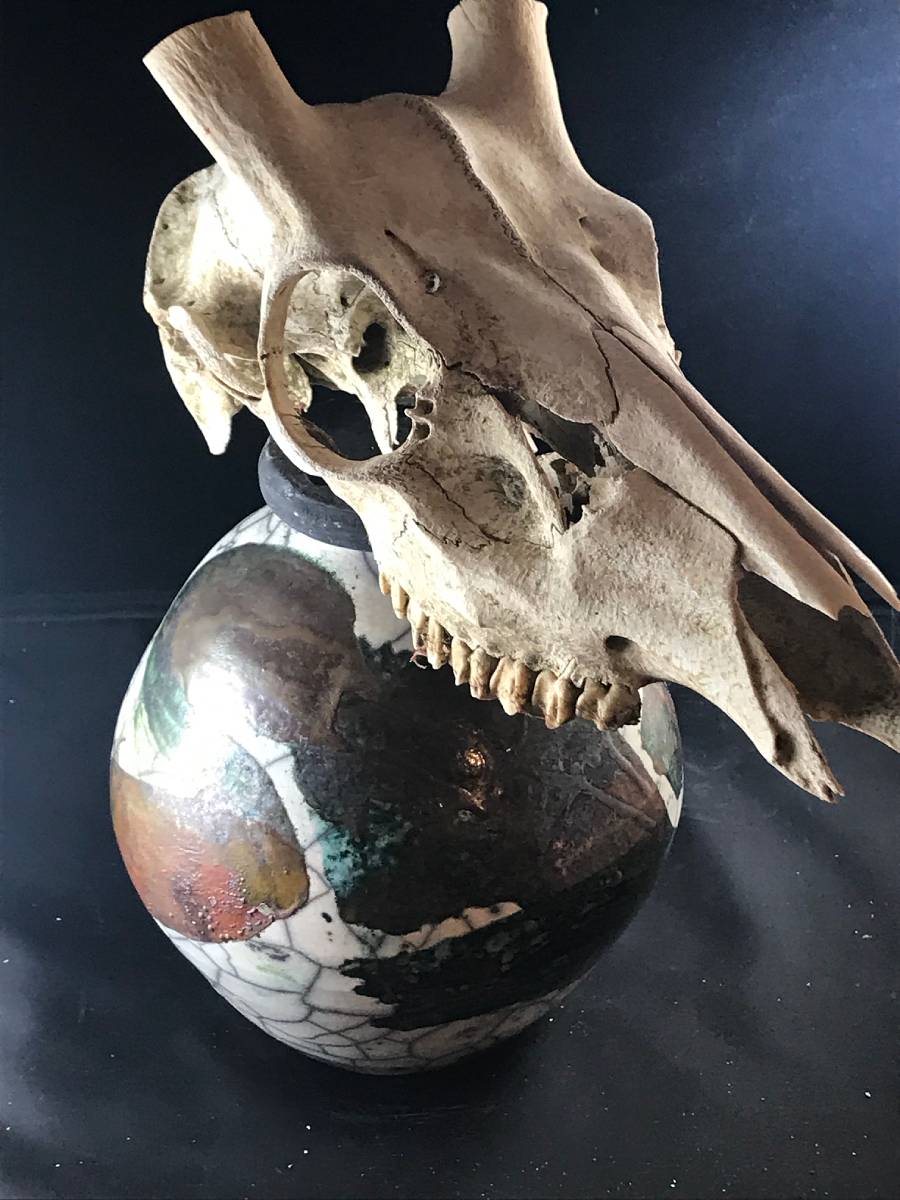
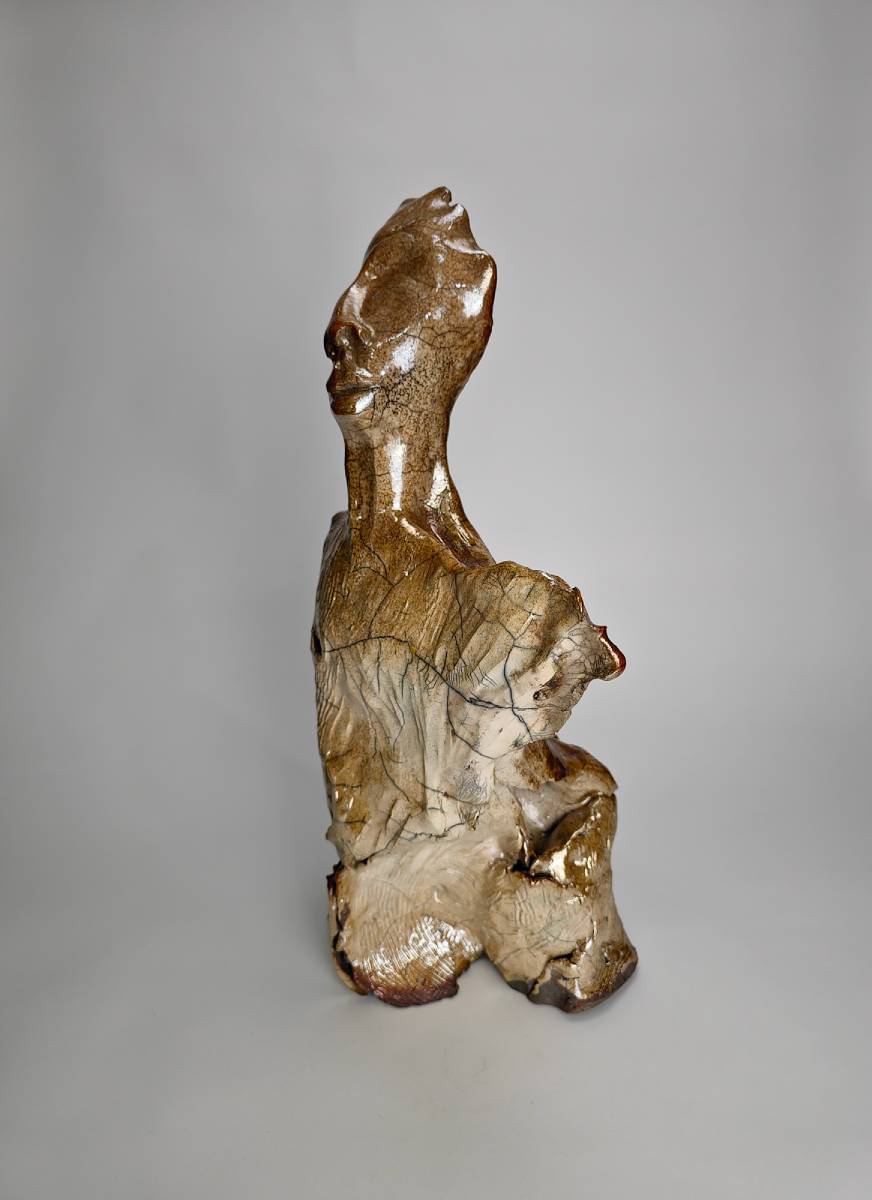
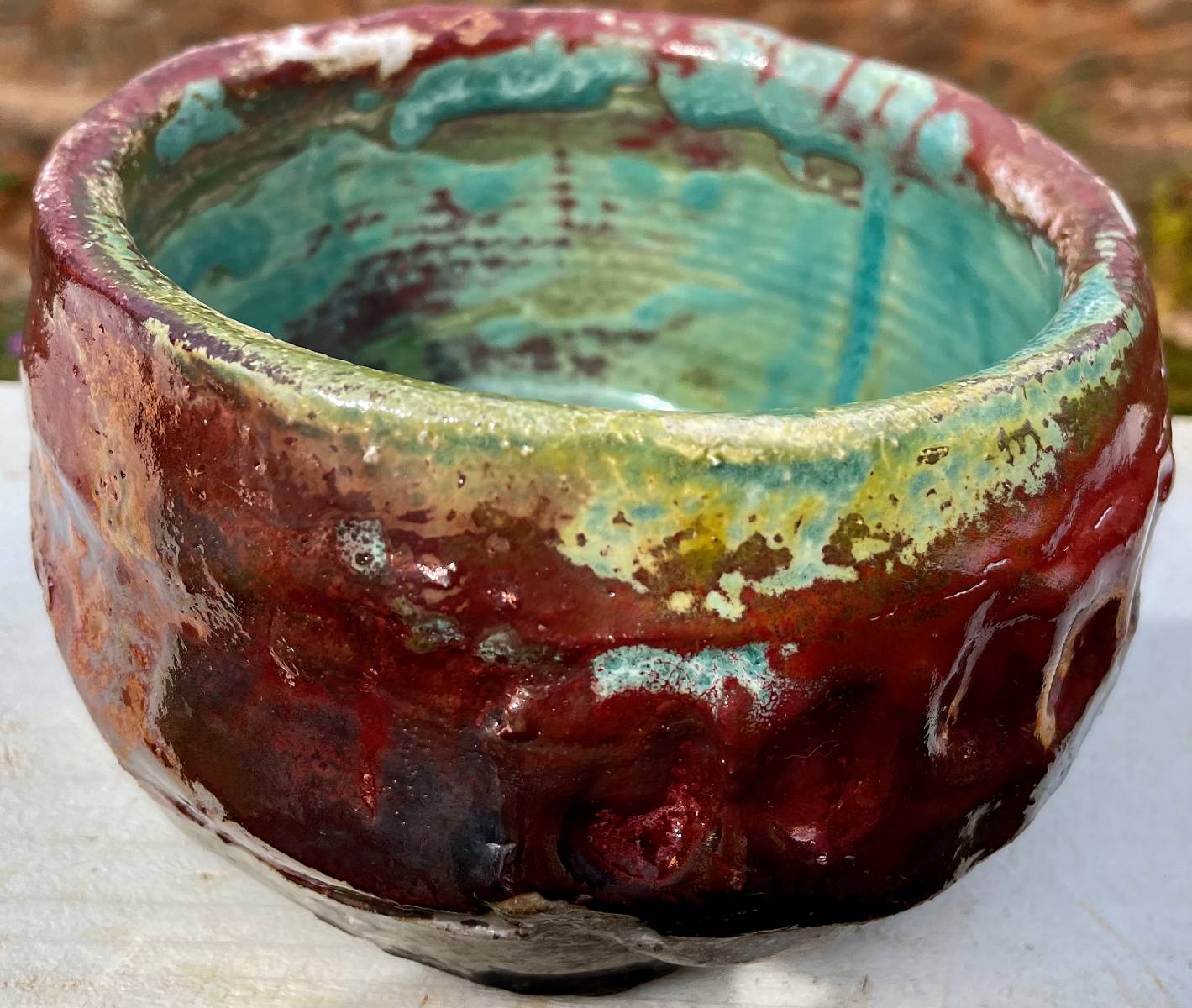
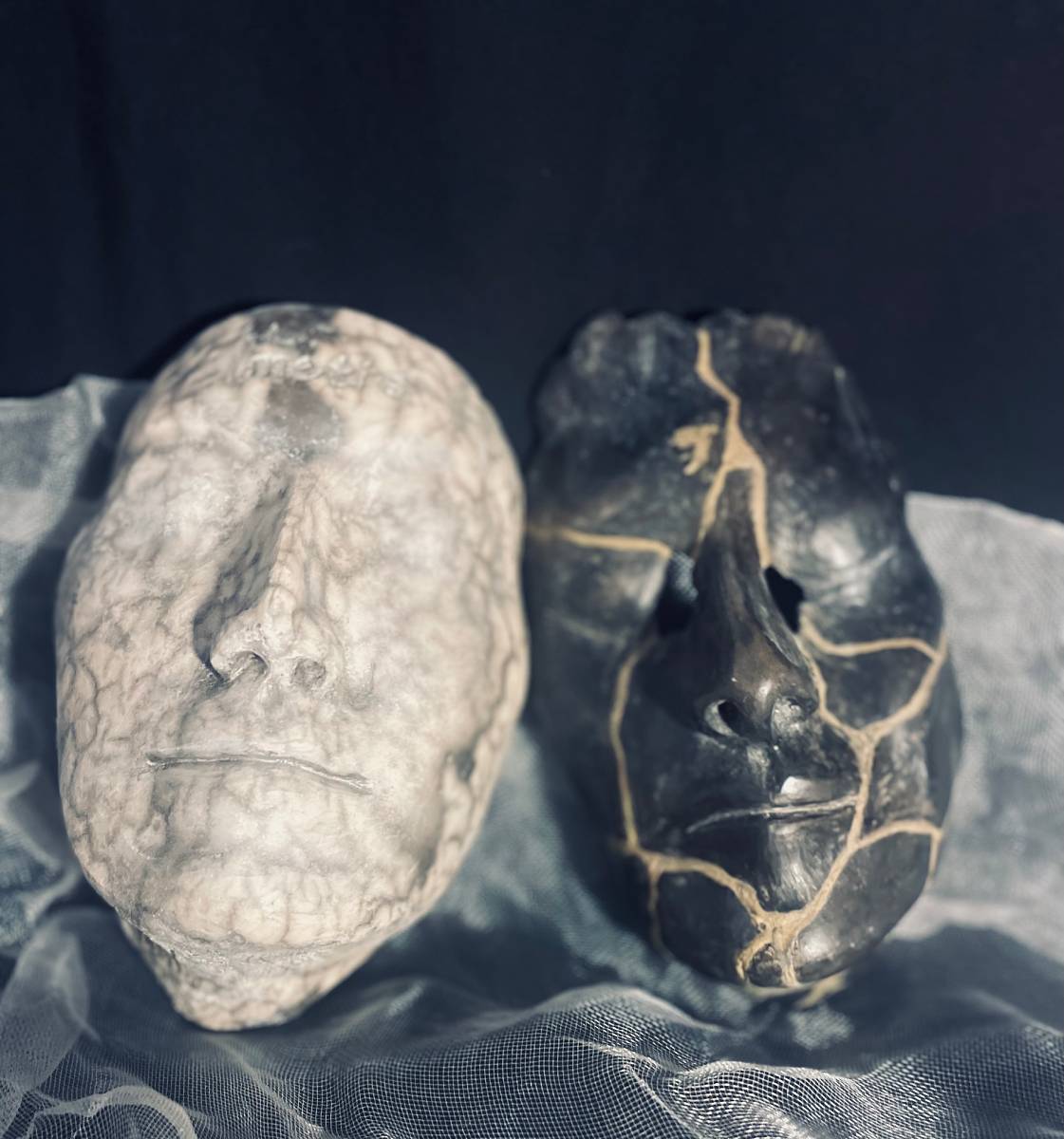
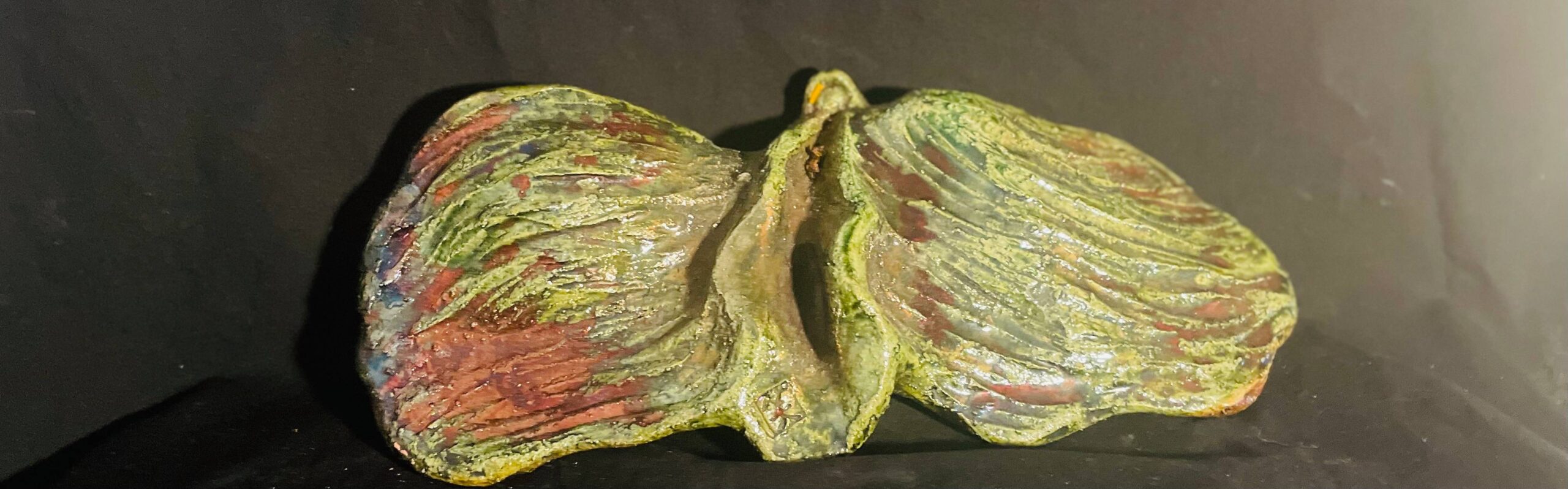
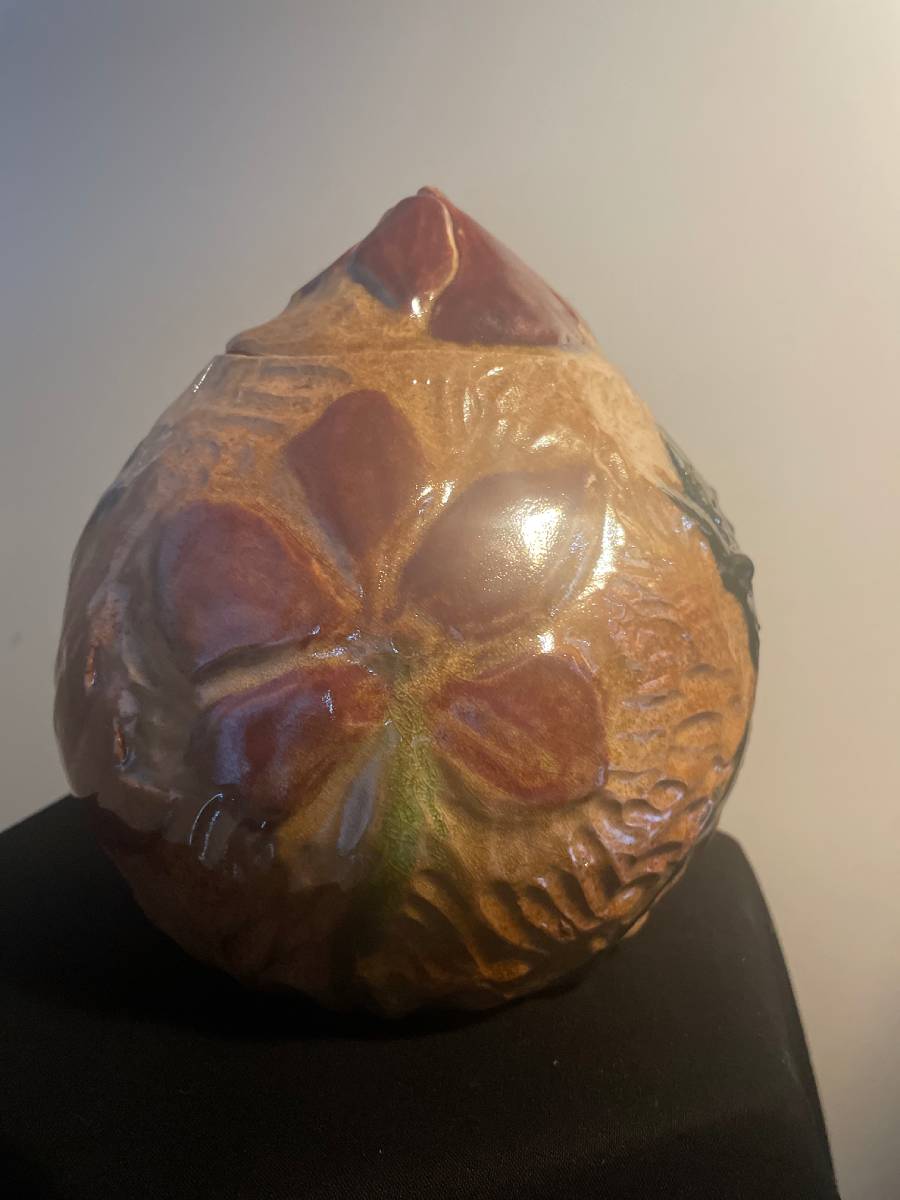
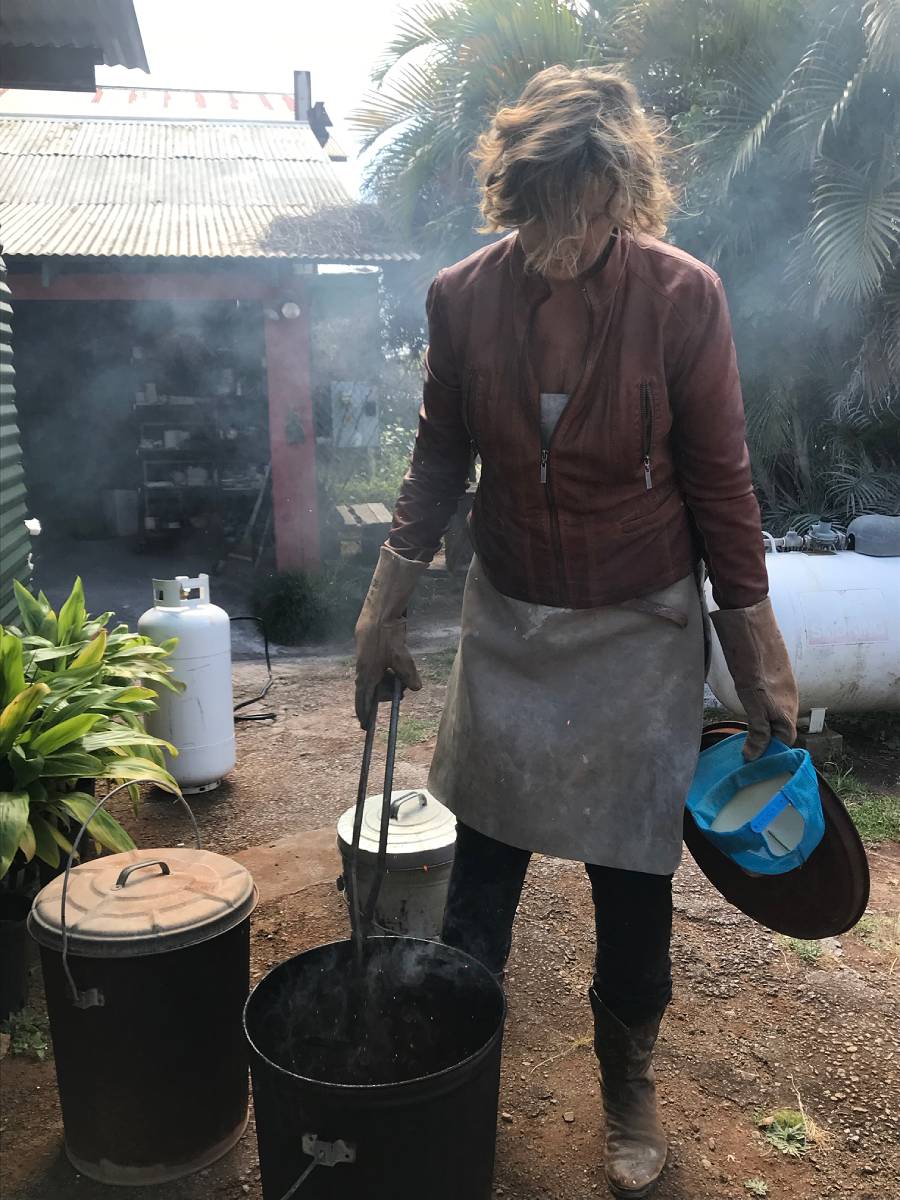
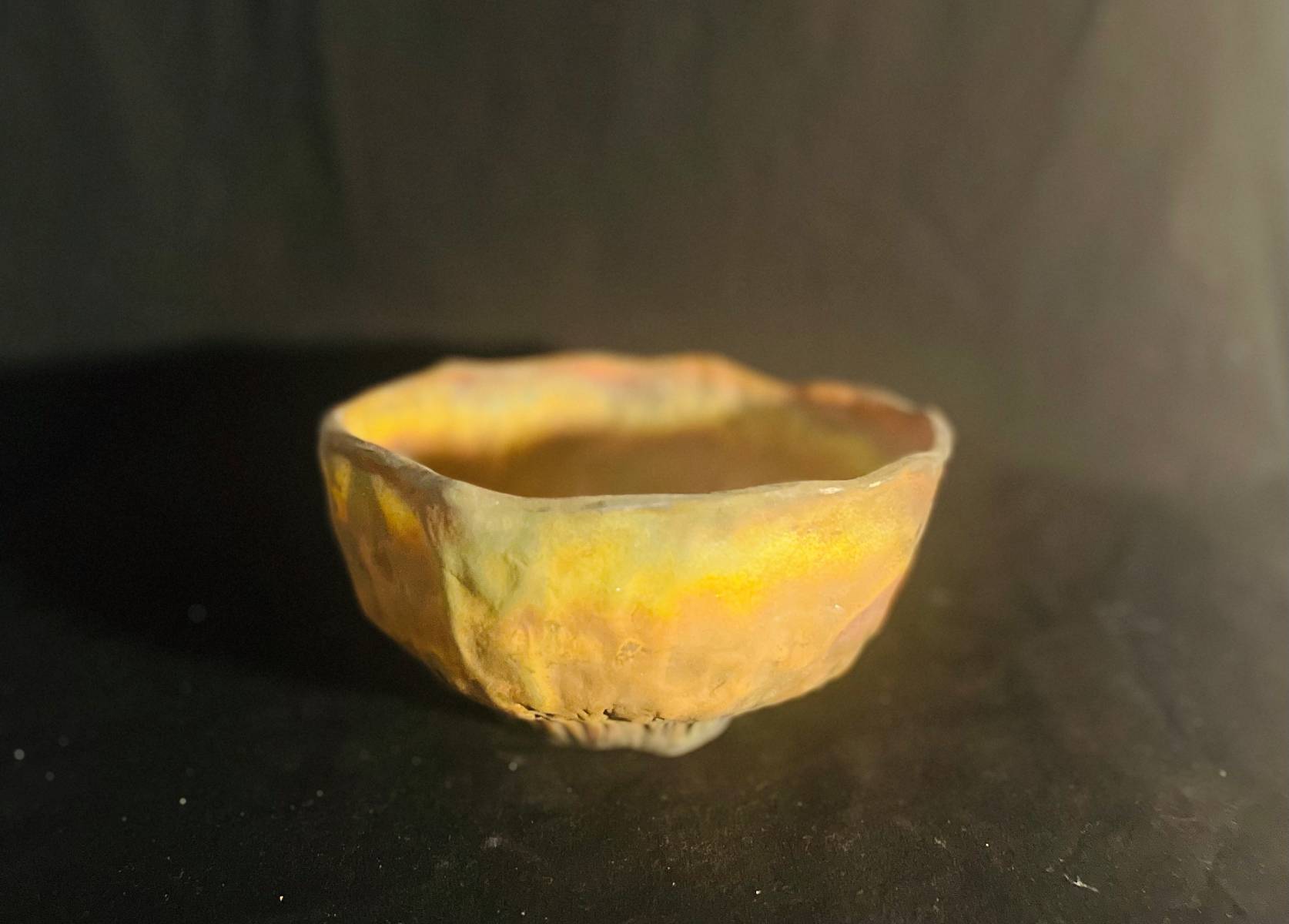
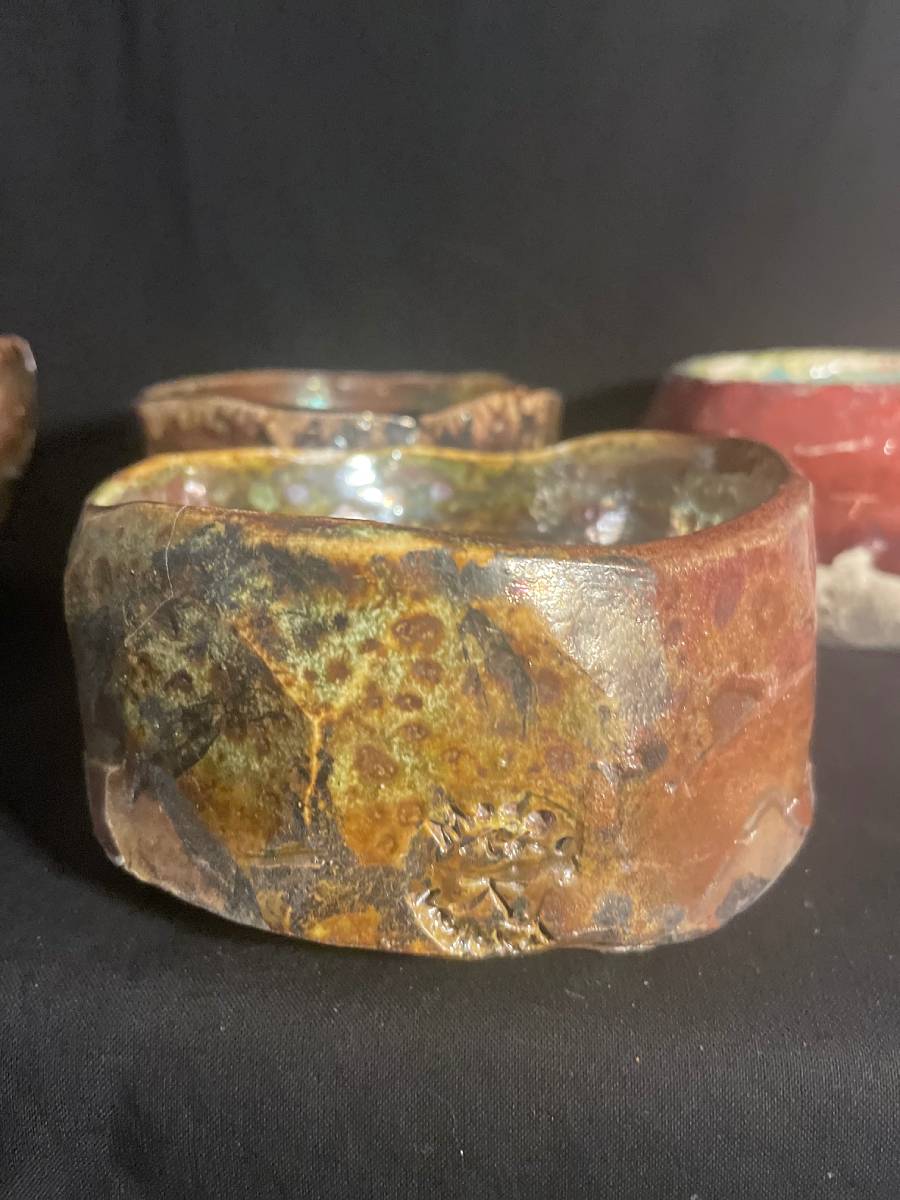
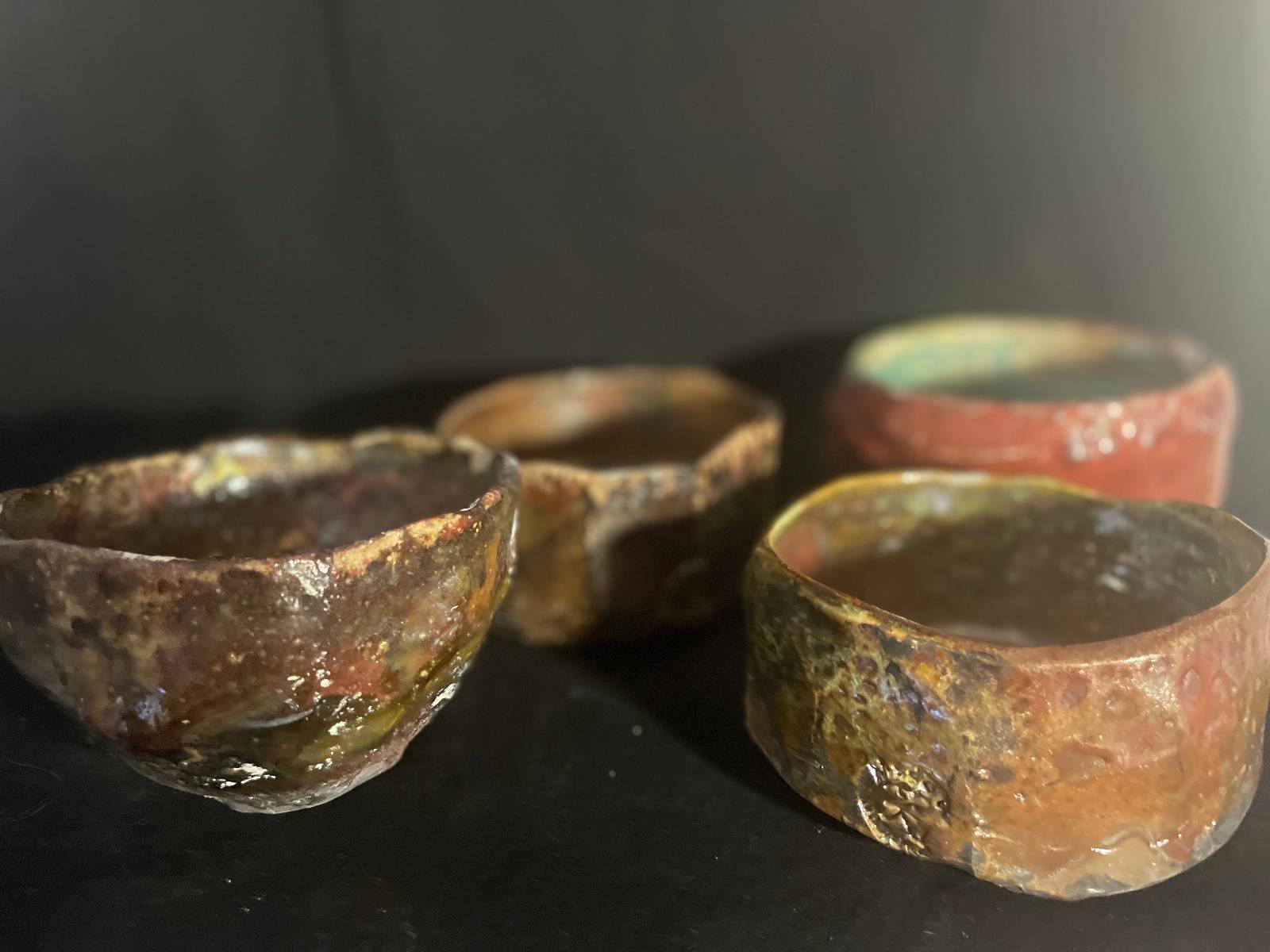
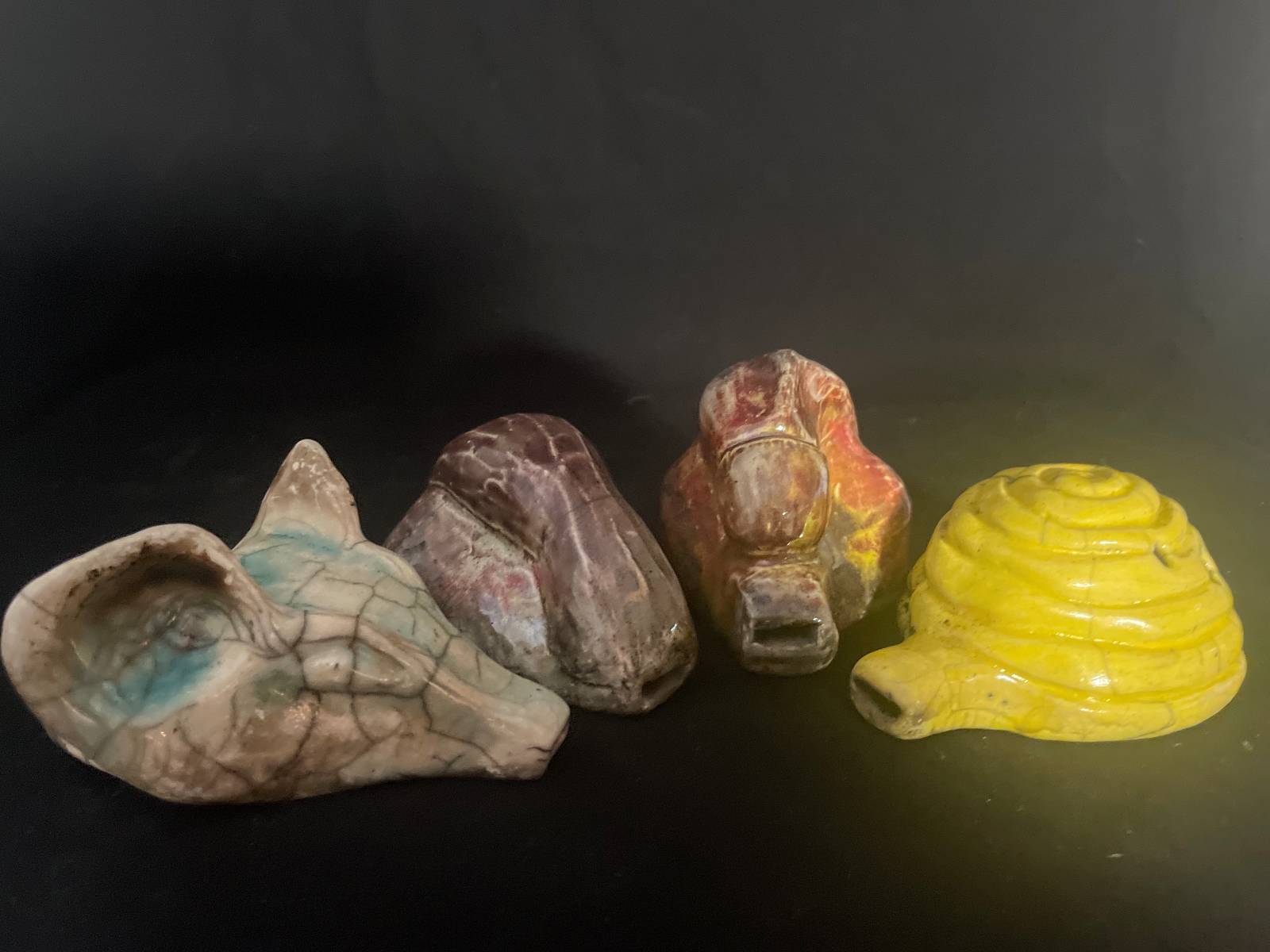
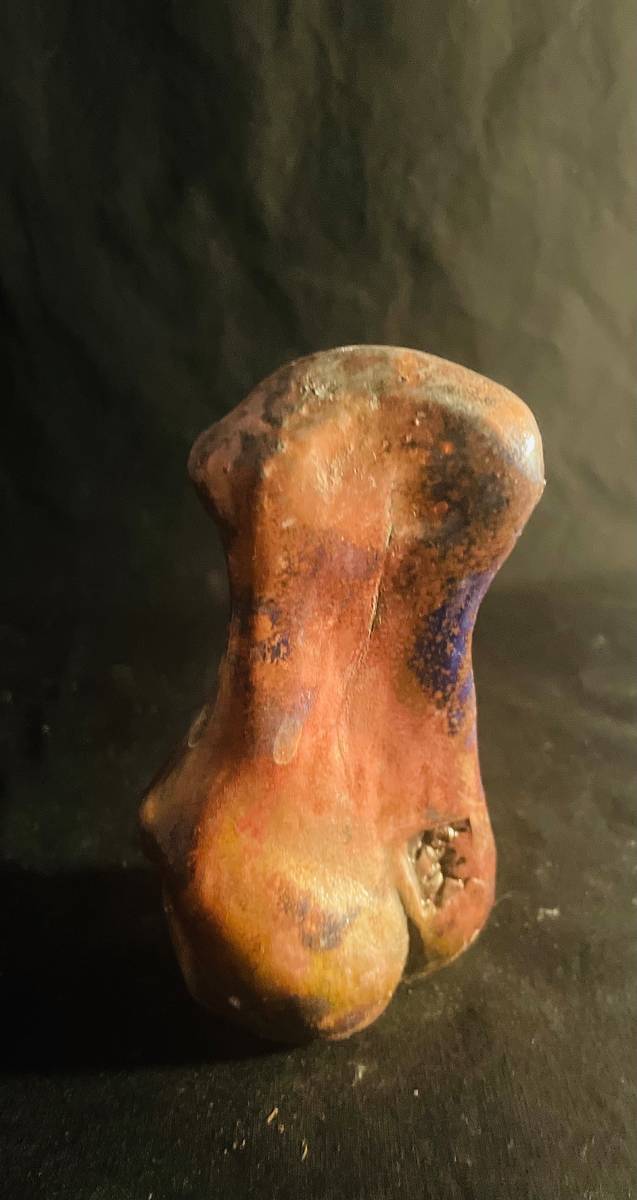
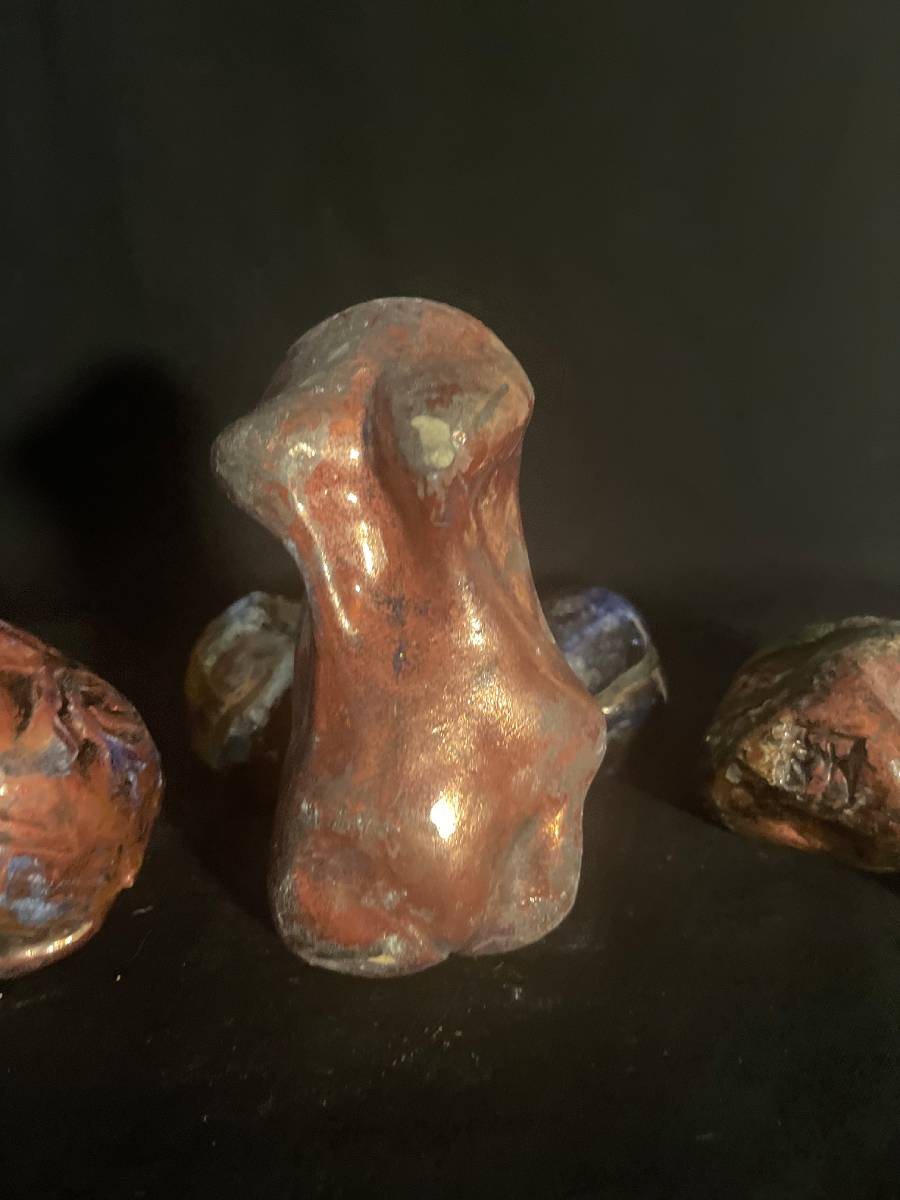
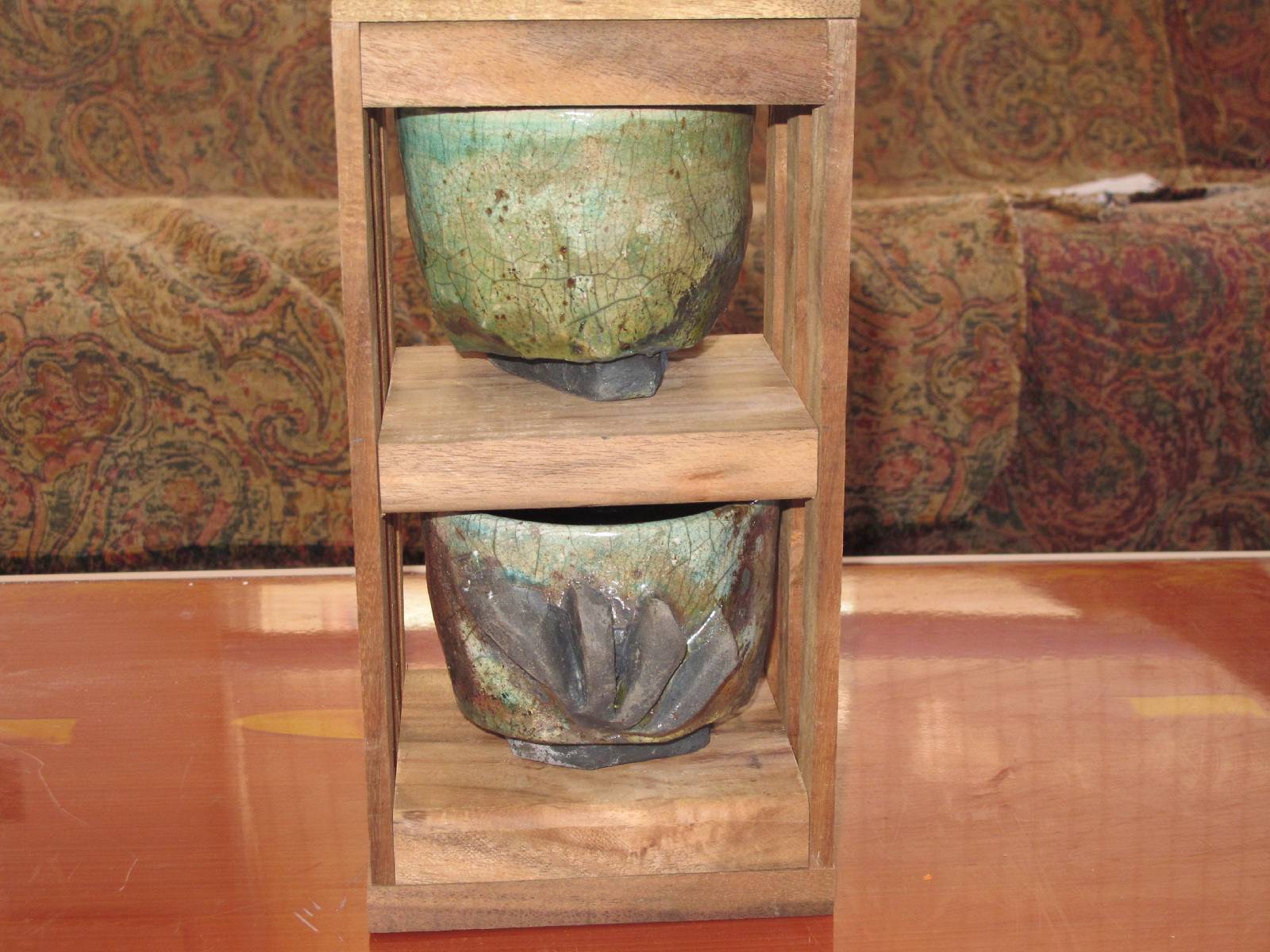
Originally developed in Japan during the 16th century, Raku was created as a hands-on, informal firing technique specifically linked to the Japanese tea ceremony. Its origins lie in a tradition of spontaneous, low-temperature firing that emphasizes simplicity, natural beauty, and the acceptance of irregularities—embodying the aesthetic principles of wabi-sabi. Traditional Raku involved removing red-hot pottery from the kiln and cooling it quickly, often by plunging into water or covering with combustible materials, which created unique crackles, textures, and surface effects.
Today, Raku has evolved into a dynamic and experimental process, blending historical techniques with contemporary innovations. Modern artists incorporate a variety of low-tech firing methods, such as horsehair application, slip-firing, and black-on-black finishes, each emphasizing spontaneity and unpredictability. These methods explore new textures, surface effects, and colorations, pushing the boundaries of traditional Raku while honoring its roots as a process rooted in mindfulness, imperfection, and natural beauty. The contemporary Raku movement celebrates innovation, embracing both chance and craftsmanship, and continues to inspire artists around the world who seek a tactile, expressive connection with their material.